
No products in the cart.

Winter Shoe Essentials Guide: What Every Shoe Lover Needs
by 7A Shoes
Introduction
As the temperature drops and winter settles in, your footwear choices become more critical than ever. Cold weather doesn’t just challenge your comfort—it demands shoes that balance warmth, durability, and style.
Whether you’re braving morning commutes, weekend adventures, or festive celebrations, having the right winter shoes makes all the difference.
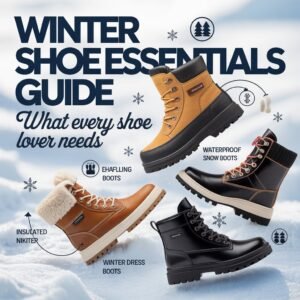
The problem many people face is that winter footwear shopping feels overwhelming. Not every closed shoe works well for winter conditions.
Some lack proper insulation, others sacrifice style for functionality, and many won’t last beyond a single season. This leaves you wondering: What shoes should I actually invest in for winter?
This comprehensive guide breaks down exactly what makes a shoe suitable for winter and introduces you to the essential styles every shoe lover should have in their collection.
By the end, you’ll know precisely which pairs to prioritise and why they deserve a spot in your winter wardrobe.
What Makes a Shoe Perfect for Winter? 5 Key Features
Before diving into specific styles, let’s understand what separates outstanding winter shoes from mediocre ones.
1. Waterproof or Water-Resistant Materials
Winter means wet conditions—rain, sleet, snow, and slushy roads are inevitable. Shoes that let water seep through leave your feet damp and uncomfortable, increasing the risk of blisters, frostbite, and fungal infections.
Look for:
Genuine leather with waterproof treatment (naturally water-resistant and durable)
Gore-Tex technology (breathable yet completely waterproof membrane)
Suede with waterproof coating (maintains aesthetic appeal while repelling water)
Synthetic waterproof fabrics (affordable and effective alternatives)
Pro tip: Many winter shoes need waterproofing treatment before first wear. A quality waterproofing spray can extend the lifespan of your shoes by years.
2. Insulation and Thermal Lining
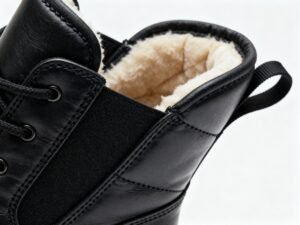
Insulation is crucial for maintaining warmth when temperatures plummet. Your feet are furthest from your heart, making them more susceptible to cold. Proper insulation ensures comfortable, warm feet all day.
Common insulation options:
Fleece lining (comfortable and affordable)
Shearling or faux fur (luxuriously warm and cosy)
Thinsulate insulation (lightweight yet highly effective)
Wool lining (natural insulator with moisture-wicking properties)
3. Anti-Slip Soles with Good Traction
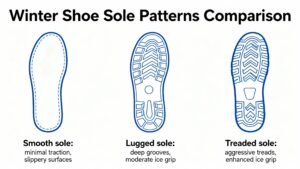
Icy, snowy, and wet surfaces are slippery. A shoe with poor traction isn’t just uncomfortable—it’s dangerous. Quality winter shoe soles feature deep lug patterns and anti-slip materials designed specifically for challenging winter conditions.
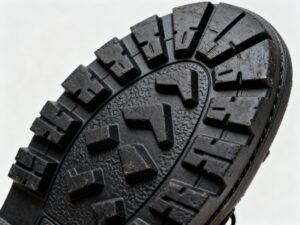
Best sole features:
Deep lug patterns (grip icy surfaces effectively)
Vibram or similar rubber compounds (premium grip technology)
Oil and slip-resistant soles (crucial for wet conditions)
Wide, stable base (improves overall balance and safety)
4. Durability and Quality Craftsmanship
Winter shoes endure harsh conditions. They encounter salt, moisture, temperature fluctuations, and rough terrain. Poorly made shoes fall apart mid-season, while quality footwear lasts for years.
Durability indicators:
Reinforced stitching (withstands wear and tear)
Quality materials (premium leather or well-reviewed synthetics)
Sturdy heel counters (maintain shoe structure over time)
Protective toe caps (prevent premature damage)
5. Comfort with All-Day Wearability
No matter how stunning a shoe looks, if it hurts your feet, it won’t get worn. Winter shoes need superior cushioning, arch support, and a comfortable fit, even when wearing thick thermal socks.
Comfort features:
Padded insoles and inserts (reduce foot fatigue)
Spacious toe box (accommodates thick socks without squeezing)
Padded ankle collar (prevents rubbing and blisters)
Arch support (crucial for all-day walking)
The Essential Winter Shoe Styles Every Collection Needs
Style 1: Insulated Waterproof Boots
Why they’re essential: Insulated waterproof boots are the backbone of winter footwear. They’re versatile enough for casual outings and stylish enough for professional settings.
Best features to look for:
Waterproof upper with breathable lining
Thermal insulation rated for your climate
Anti-slip sole with deep treads
Comfortable heel height (1-2 inches)
Styling ideas:
Pair with straight-leg jeans tucked inside for a sleek look
Wear with leggings and an oversized sweater for casual comfort
Match with wool trousers for office-ready professionalism
Pro tip: Choose neutral colours like black, brown, or tan that pair with multiple outfits. These versatile boots will become your go-to option throughout winter.
Style 2: Chunky Lug-Sole Boots
Why they’re essential: Chunky boots are THE trend for winter 2025-2026. Beyond their fashionable appeal, the thick lug sole provides exceptional traction on icy surfaces.
Best features to look for:
Exaggerated sole with deep treads
Durable leather or synthetic upper
Cushioned insole for all-day comfort
Variety of heights (ankle, calf, or knee-length)
Styling ideas:
Pair with mini skirts and thermal tights for a bold statement
Wear with slim jeans for casual downtown vibes
Match with midi skirts for edgy-feminine contrast
Popular brands
Dr Martens (iconic and durable)
Timberland (rugged and reliable)
Sorel (designed for extreme winters)
Style 3: Chelsea Boots
Why they’re essential: Chelsea boots are the sophisticated choice for winter. Their sleek silhouette transitions seamlessly from casual to formal occasions, making them incredibly versatile.
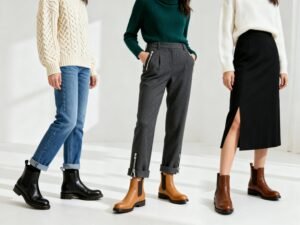
Best features to look for:
Elastic side panels for easy on-and-off
Waterproof leather exterior
Supportive sole with good traction
Insulated lining for warmth
Styling ideas:
Pair with dress trousers and a blazer for work
Wear with straight-leg jeans for business casual
Match with wool skirts for polished weekend looks
Comfort benefit: The elastic sides mean no fumbling with laces during the winter months—you just slip them on and go.
Style 4: High-Top Insulated Sneakers
Why they’re essential: Winter isn’t just about formal or dressy occasions. Comfortable, casual footwear matters too. High-top insulated sneakers provide warmth, support, and street-style credibility.
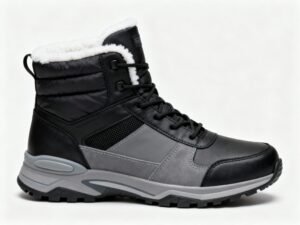
Best features to look for:
Waterproof or water-resistant upper
Thermal or fleece lining
Cushioned, supportive midsole
High-top design to protect ankles
Popular styles for winter 2025:
Adidas Samba (classic and timeless)
Nike ACG models (designed for all conditions)
Salomon XT-6 (outdoor-inspired functionality)
Styling ideas:
Pair with joggers for cosy, casual looks
Wear with straight jeans for off-duty style
Match with puffer jackets for a complete winter ensemble
Style 5: Leather Dress Shoes
Why they’re essential: Winter doesn’t excuse you from formal occasions. Quality leather dress shoes in brown and black are non-negotiable for professional winter wardrobes.
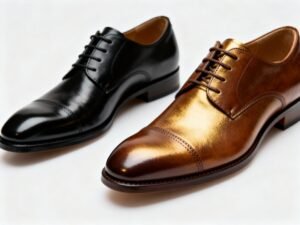
Best features to look for:
Premium leather construction
Waterproof or water-resistant treatment
Supportive sole for long-day wear
Polished finish that photographs well
Styles to prioritise:
Oxford Brogues (professional and versatile)
Monk Straps (sophisticated and interesting)
Loafers (comfortable yet polished)
Professional styling:
Oxfords with wool trousers and blazers
Brogues with dress pants and winter dresses
Monk straps for special events and client meetings
Winter Footwear by Climate: Find Your Perfect Match
Not all winters are created equal. Your location significantly impacts which shoes work best.
For Extremely Cold Climates (-10°C or lower)
Insulated boots rated for extreme cold
Shearling or fur-lined options
Thicker sole materials for additional insulation
Consider removable thermal liners for customisation
Top choice: Sorel boots or similar cold-weather specialists
For Moderate Winters (0°C to 10°C)
Lightly insulated waterproof boots
Chelsea boots with standard lining
High-top waterproof sneakers
Regular dress shoes with waterproof treatment
Top choice: Insulated waterproof combat boots or Chelsea boots
For Mild Winters (10°C to 15°C)
Water-resistant shoes without heavy insulation
Leather loafers with waterproof spray
Regular sneakers with moisture-wicking socks
Unlined but water-resistant boots
Top choice: Classic Chelsea boots or leather sneakers
Material Guide: Choosing the Right Winter Shoe Fabric
Leather
Pros: Naturally water-resistant, durable, improves with age, professional appearance.
Cons: Requires regular maintenance and conditioning
Best for: Formal winter shoes and premium boots
Care tip: Condition monthly and treat with waterproofing spray
Suede
Pros: Luxurious feel, attractive finish, soft comfort
Cons: Requires protective treatment and regular cleaning
Best for: Chelsea boots and dressy winter options
Care tip: Use a suede brush after each wear and apply suede protector spray
Synthetic Materials
Pros: Affordable, often waterproof, low-maintenance
Cons: Less breathable, may not last as long as leather
Best for: Budget-conscious shoppers and casual wear
Care tip: Clean with a damp cloth and mild soap
Wool Lining
Pros: Natural insulation, moisture-wicking, temperature regulating
Cons: May feel itchy for sensitive skin
Best for: Insulated boots for moderate to cold climates
Care tip: Air dry after wet wear to prevent odours
Shopping Checklist: Your Winter Shoe Essentials List
Before purchasing, use this checklist to ensure each shoe meets winter requirements:
□ Waterproof/Water-Resistant Upper – Protect your feet from wet conditions
□ Appropriate Insulation – Match your climate’s temperature
□ Anti-Slip Sole – Ensure safe traction on icy surfaces
□ Comfortable Fit – Test with thick winter socks
□ Quality Construction – Check stitching and material quality
□ Versatile Colour – Choose neutral tones for multiple outfit pairings
□ Durable Materials – Invest in shoes that last multiple seasons
□ Easy Maintenance – Consider how much care each shoe requires
Pro Tips for Maximum Winter Shoe Longevity
Tip 1: Invest in Quality Socks
Don’t underestimate the power of good thermal socks. Merino wool specialised winter sock blends enhance insulation and keep moisture away from your feet.
Tip 2: Rotate Your Shoes
Don’t wear the same pair daily. Rotating between shoes allows them to fully dry and extends their lifespan significantly.
Tip 3: Waterproof Before First Wear
Apply a quality waterproofing spray or treatment before wearing new winter shoes for the first time. This creates an extra protective barrier.
Tip 4: Clean and Dry Properly
After wearing in wet conditions, remove insoles and dry shoes naturally (not with heat). Stuff with newspaper to absorb moisture and maintain shape.
Tip 5: Store Appropriately
Keep shoes in a cool, dry place during the off-season. Stuff with tissue paper to maintain shape and prevent creasing.
Common Winter Shoe Mistakes to Avoid
Mistake 1: Ignoring Size and Fit
Winter shoes worn with thick socks need room to accommodate extra layers. Don’t buy tight-fitting shoes thinking they’ll stretch.
Mistake 2: Choosing Style Over Function
A beautiful shoe that leaves your feet numb isn’t a good investment. Balance aesthetics with practical winter features.
Mistake 3: Neglecting Sole Traction
Fashion-forward soles with minimal tread look great but can be dangerously slippery. Prioritise safety on icy surfaces.
Mistake 4: Forgetting About Waterproofing
Even water-resistant shoes benefit from additional waterproofing treatment. Don’t assume leather is automatically waterproof.
Mistake 5: Not Testing Before Buying
Always try on winter shoes with thick socks before purchasing. This ensures comfort and proper fit for real-world winter conditions.
Building Your Winter Shoe Wardrobe: A Season-by-Season Approach
Essential Tier (Start Here)
One pair of insulated waterproof boots
One pair of quality dress shoes (black or brown)
One pair of winter-ready sneakers
Budget: $150-250 per pair
Complete Tier (Build Upon Essentials)
Add these to your complete winter collection:
4. Chelsea boots for versatility
5. Chunky lug-sole boots for trend appeal
6. Specialised footwear for specific activities
Budget: $100-350 per pair, depending on brand
Premium Tier (Ultimate Collection)
Enhance your collection with luxury options:
7. High-end designer boots
8. Specialised hiking or outdoor winter boots
9. Weather-specific footwear
Budget: $250+ per pair
Conclusion: Your Winter Feet Deserve the Best
Winter doesn’t have to mean sacrificing comfort or style. By understanding what makes shoes suitable for cold weather—waterproofing, insulation, traction, durability, and comfort—you can make informed decisions that serve you well for years to come.
The five essential winter shoe styles outlined in this guide (insulated waterproof boots, chunky lug-sole boots, Chelsea boots, high-top sneakers, and leather dress shoes) provide a solid foundation for any winter wardrobe. Combined with thoughtful material selection and proper maintenance, these shoes will keep your feet warm, protected, and stylish throughout even the harshest winters.
Ready to upgrade your winter footwear? Start by identifying which essential styles are missing from your collection. Whether you invest in one pair or several, prioritise quality and practicality. Your feet will thank you.
Shop Now
Explore our complete collection of winter shoes now and find your perfect pair for the season ahead.
Leave a comment
You must be logged in to post a comment.